Giving is rarely just a financial decision, it’s an emotional one. Donors don’t give because of spreadsheets or statistics alone; they give because something moves them. When nonprofit leaders understand the psychology behind generosity, they can design experiences, messages, and events that inspire donors to give more and feel great about doing it.
Let’s explore the donor psychology of giving, including the emotional triggers that motivate donors, why recognition and storytelling increase donations, and how to design fundraising events that maximize donor generosity.
Emotional Triggers That Drive Donor Giving
While every donor is unique, decades of behavioral research and real-world fundraising experience show that generosity is often driven by a few core emotional motivators.
1. Connection and Belonging
Donors want to feel connected to a cause, a community, and a shared purpose. When people see themselves as part of something bigger than themselves, giving becomes a way to belong.
How to activate it:
- Use inclusive language like we, our mission, and together.
- Highlight community impact and collective wins.
- Show donors the role they play in a larger story.
2. Empathy and Compassion
Stories that spotlight real people and real outcomes activate empathy. When donors emotionally connect with someone who has been helped, or could be helped, they’re far more likely to give.
How to activate it:
- Share human-centered stories instead of abstract statistics.
- Use visuals, quotes, and firsthand testimonials.
- Clearly connect the donor’s gift to a tangible outcome.
3. Impact and Purpose 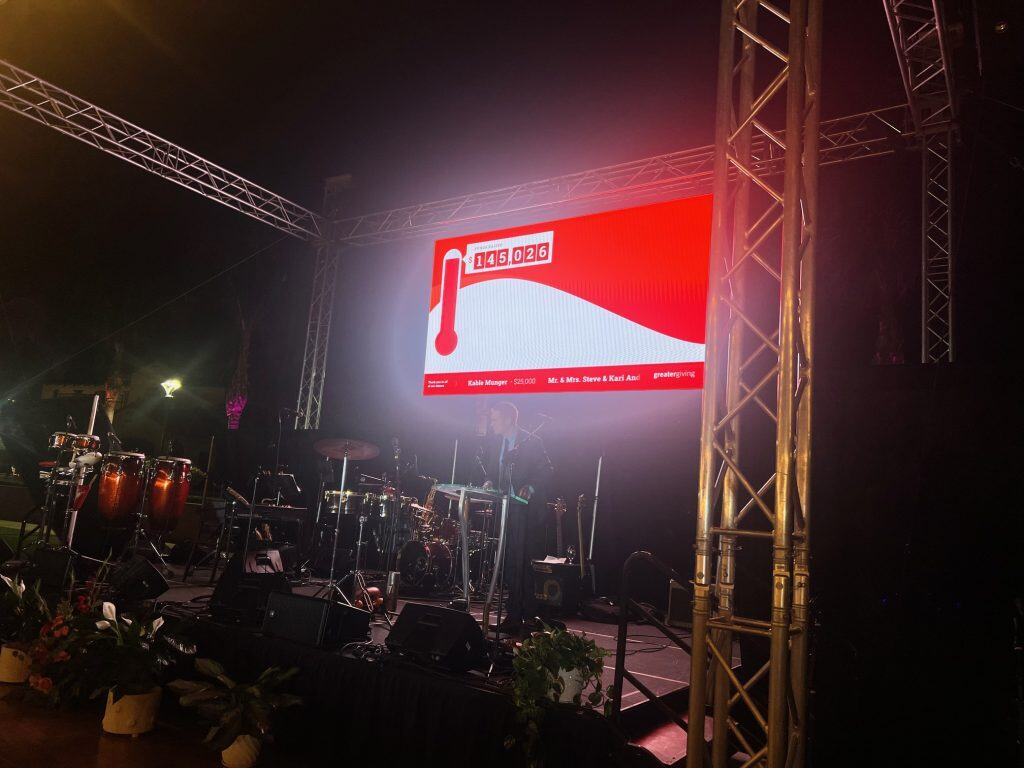
Donors want to know their gift matters. The clearer the connection between a donation and its impact, the more confident donors feel increasing their support.
How to activate it:
- Break down impact into simple, concrete terms (e.g., “$150 funds one counseling session”).
- Use progress bars, fund-a-need moments, or live tallies.
- Follow up after events with impact reporting.
4. Joy and Fulfillment
Giving feels good. Neuroscience shows that generosity activates the brain’s reward centers, often referred to as the “helper’s high.”
How to activate it:
- Celebrate generosity in the moment. POP confetti, ring a bell, clap, yell!
- Make giving moments uplifting, not transactional.
- Reinforce positive emotions with gratitude and affirmation.
Why Donor Recognition Increases Giving
Recognition isn’t about ego, it’s about validation. Donors want to know their generosity is seen and appreciated.
When recognition is done well, it:
- Reinforces positive behavior
- Builds emotional loyalty
- Encourages repeat and increased giving
Best Practices for Donor Recognition
- Be timely: Thank donors immediately and sincerely.
- Be personal: Use names, reference the specific gift, and acknowledge intent.
- Match recognition to preference: Some donors love public recognition; others prefer private gratitude.
- Highlight values, not dollar amounts: Focus on the impact and heart behind the gift.
At events, simple moments, like a live thank-you, a name on a screen, or a heartfelt testimonial, can dramatically increase how connected donors feel to your mission.
Why Storytelling Is Essential to Donor Psychology
Facts inform, but stories inspire.
Effective storytelling helps donors:
- Understand the problem
- See the human impact
- Believe change is possible
- Understand their role in making that change
What Makes a Compelling Donor Story?
A strong nonprofit story includes:
- A relatable protagonist (a person, family, or community that they know)
- A clear challenge or unmet need
- Your organization as the guide, not the hero
- The donor as the catalyst for transformation
When donors see themselves as the hero of the story, generosity naturally follows.
How to Design Fundraising Events That Inspire Donor Generosity
Events are powerful because they combine emotion, community, and urgency—all key drivers of giving.
Here are practical ways to design events that maximize donor generosity:
1. Create Emotional Flow
Plan your program with intention. Build anticipation, deepen emotional connection, and end with a strong call to action.
Tip: Place your most compelling story or testimonial right before your fund-a-need or live auction appeal.
2. Make Giving Easy and Intuitive
The easier it is to give, the more likely donors are to say yes.
Tip: Use mobile bidding, text-to-give, QR Codes, and clear instructions so donors can focus on why they’re giving, not how.
3. Anchor Impact to Giving Levels
Help donors visualize their impact at every level.
Tip: During fund-a-need moments, clearly explain what each giving amount accomplishes.
4. Leverage Social Proof
People are influenced by what others are doing—especially peers they respect.
Tip: Start appeals with leadership or ambassador gifts, announce matches, or show real-time participation.
5. Celebrate Generosity in the Moment
Recognition doesn’t have to wait until after the event.
Tip: Applaud donors, share gratitude from the stage, and acknowledge collective impact as it unfolds.
Turning Donor Psychology Into Fundraising Results
Understanding donor psychology isn’t about manipulation, it’s about empathy. When nonprofits design experiences that honor how people feel, giving becomes more meaningful, more joyful, and more impactful for everyone involved.
By tapping into emotional triggers, prioritizing recognition, telling powerful stories, and designing intentional events, nonprofit leaders can unlock deeper generosity, and build lasting relationships with the donors who believe in their mission.
At Greater Giving, we see every day how thoughtful event design and donor-centered technology can transform fundraising outcomes. When generosity is inspired, everyone wins