Your nonprofit operates on trust. Mission-driven work relies on the faith of your community, beneficiaries, and donors. Effective nonprofit storytelling can be one of the most powerful tools for securing their trust, whether you’re soliciting individual donations, requesting auction items from corporate donors, or even compiling reports for grantmakers.
However, this power comes with a responsibility to tell stories ethically. Storytellers must be careful not to misrepresent the facts in their narratives. Otherwise, your nonprofit could risk eroding the very trust it’s built upon.
To ensure your narratives are authentic, respectful, and true to your mission, let’s review a few ethical considerations for nonprofit storytelling.
Tell the Whole Story
When thinking about your nonprofit’s impact, the first numbers that likely come to mind are those that reflect its accomplishments. Maybe your organization planted 100 trees in the community last year or delivered meals to 500 families living in food deserts.
But your nonprofit’s impact encompasses much more than the simple outputs of its mission-driven work, and ethical storytelling reflects this greater impact. According to UpMetrics, social impact is a measurement of an organization’s holistic influence on its broader community, including:
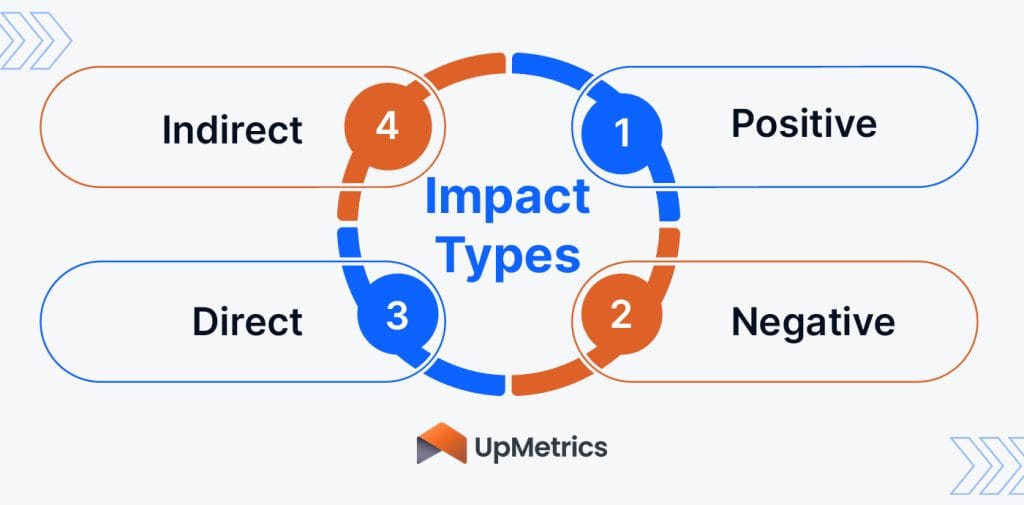
- Positive impact, which refers to outcomes that contribute to social, environmental, or economic well-being. For example, a nonprofit’s community garden harvests 500 pounds of fresh, organic produce for local families.
- Negative impact, which is the unwanted consequences resulting from a program or activity. Following the example above, volunteers may have been exposed to poison ivy while tending to the community garden.
- Direct impact, which includes the obvious effects of a program or service. In our example, local residents could learn practical skills in composting from the nonprofit’s community workshops.
- Indirect impact, which encompasses all the outcomes that stem from a secondary effect of an action. After revitalizing a local park with the garden, residents begin interacting with their neighbors more and engaging in community events.
Ethical storytelling tells the whole story behind your nonprofit’s work, highlighting each of the above types of social impact equally. Be prepared to discuss the ways your nonprofit met its objectives, as well as the ways you’ve missed them, and everything you learned along the way. Acknowledge challenges or unexpected outcomes as opportunities for growth, and communicate your plans for improvement.
Embrace the Voices of Beneficiaries
Among donors’ contributions, volunteers’ efforts, and board members’ dedication, many hands fuel your nonprofit’s work. While these contributions deserve recognition, a common pitfall in nonprofit storytelling is focusing too heavily on these stories, often at the expense of the people the organization serves.
Ethical storytelling gives beneficiaries control over their own narratives and treats their perspectives with dignity. Some practical strategies for embracing beneficiaries’ voices in your storytelling include:
- Getting consent before sharing: Always obtain explicit consent for the use of images, quotes, or personal details. Ensure the person understands exactly how and where you’ll share their story.
- Allowing self-representation: Wherever possible, allow beneficiaries to tell their stories in their own words, rather than summarizing or filtering their experiences. Ask them to review their stories before publishing them to ensure they accurately represent their perspectives.
- Avoiding sensationalism: Never use images or narratives that evoke pity or shame. The goal is to inspire action and partnership, not to exploit vulnerability for fundraising gain.
When sharing beneficiaries’ perspectives, avoid exaggerating or oversimplifying the complex issues they face. Instead, be specific about your organization’s role within the larger ecosystem of change, while acknowledging that complex problems require solutions built on collective effort.
Emphasize Financial Transparency
Transparency regarding financial health is another critical component of ethical storytelling, especially for maintaining strong donor relationships. Donors want to know that their contributions have a direct impact on your mission, and financial data is a concrete way to demonstrate this.
For example, when sharing a story about a certain program’s impact, include information about the funds used to support it to help donors feel like an integral part of your mission. Pulling information from your financial statements and other records, share data like:
- The total amount of funds raised for the specific program highlighted in the story
- A breakdown of your nonprofit’s funding sources
- The percentage of your budget allocated to program services, administrative costs, etc.
- The number of in-kind donations received in a defined period of time
- The total cost to achieve a key outcome
Depending on the format your storytelling takes, real-time updates can provide an additional layer of transparency to this data. For example, sharing your ongoing progress toward a fundraising goal with real-time data visualization on your website demonstrates your commitment to precise, ongoing campaign updates, whether that progress is big or small.
Establish Strong Data Management Best Practices
Data is the foundation of trustworthy storytelling. Your nonprofit must handle it responsibly to ensure your stories contain accurate and up-to-date information.
Implement strong data management practices, including:
- Centralizing data: According to Deep Sync, collecting data from multiple sources can facilitate more informed decision-making; however, it can also lead to data fragmentation and inconsistency. Consolidate all relevant data in one secure location, like a constituent relationship management (CRM) system.
- Adhering to privacy standards: Train all staff members on data privacy laws and industry best practices. For example, the General Data Protection Regulation (GDPR) requires organizations to obtain consent before collecting data from residents of the European Union (EU). Organizations in specific industries may have additional regulations to follow, such as the Health Insurance Portability and Accountability Act (HIPAA) for healthcare organizations and the Family Educational Rights and Privacy Act (FERPA) for schools and educational nonprofits.
- Strengthening data security: Implement clear data access policies for your nonprofit’s team. Set permissions tiers based on staff members’ roles, limiting their access to only the information they need. Also, train staff in data security by testing their knowledge of phishing scams and other security risks.
With a foundation of clean and reliable data, your nonprofit can conduct analytics for further insights to include in its storytelling. For example, you might discover a new trend among beneficiaries or common traits in your monthly donors segment that influence how you tell your nonprofit’s story.
Document any internal processes regarding your nonprofit’s data management policies. With standardized guidelines in place, your organization can ethically apply data to the stories it tells, both now and in the future.