

This is the first in a series of posts about running a successful fundraising event night written by event service professionals. Event night professionals help to troubleshoot technology, advise on using event software, and ensure everything goes as smoothly as possible on event night.
Have you ever had long lines at your event while guests wait to register? Does everything feel rushed and chaotic before the event even starts? Do you find yourself spending all your time putting out fires, rather than welcoming and mingling with your important guests?
No, that’s not normal—there’s a better way!
This post will outline tips and tricks that professional event services consultants have learned over the years that make registration move as fast as possible.
Establish logistics and clear guidance for guests.
It’s easy for event registration to get bogged down when the flow hasn’t been thought out properly. When guests know where they are, where they’re expected to go, and what they’re supposed to do, everyone’s happier.
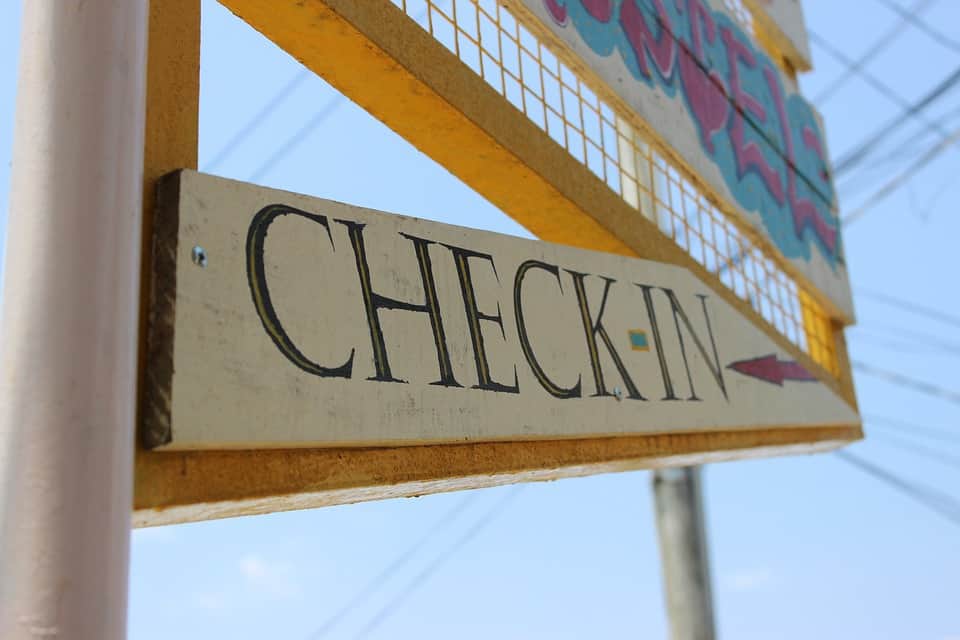
Place clear signage leading to your registration from any guest entry points, or at least the entry where the majority of your guests will be entering the venue. Have volunteers available in those locations to answer questions and direct guests—your event will feel more welcoming and organized.
If you have had long lines in the past, keeping those lines clearly demarcated will ease guest frustration and confusion. Set up stanchions and ropes to mark off where guests should wait for each of your registration stations. The line will look less intimidating when there’s structure, and it’ll be clear to guests when it’s their turn.
Keep volunteers’ check-in tasks at a minimum.
The biggest cause of slowdowns at check-in is bureaucracy. How many steps does a registration volunteer go through to register a guest or pair of guests? Volunteers tasked with doing too many things will take more time to register a single group—and are more likely to make mistakes because they’ve been given too much to remember. Take it easy on your volunteers and make check-in as simple as possible for them.
Start off by making a list of everything the volunteer has to do when a guest approaches the check-in table, such as:
[icon name=”check-square-o” class=”” unprefixed_class=””] Looking the guest up on the computer;
[icon name=”check-square-o” class=”” unprefixed_class=””] Confirm or update the guest information;
[icon name=”check-square-o” class=”” unprefixed_class=””] Assigning a bid number;
[icon name=”check-square-o” class=”” unprefixed_class=””] Searching for the bidder’s bid packet and/or bid card;
[icon name=”check-square-o” class=”” unprefixed_class=””] Asking the guest to sign for Express Pay;
[icon name=”check-square-o” class=”” unprefixed_class=””] Swiping their credit card;
[icon name=”check-square-o” class=”” unprefixed_class=””] Writing a table number on a bid card;
[icon name=”check-square-o” class=”” unprefixed_class=””] Giving the guest a program;
[icon name=”check-square-o” class=”” unprefixed_class=””] Explaining how to set up their phone for online bidding;
[icon name=”check-square-o” class=”” unprefixed_class=””] Directing the guest to the silent auction, etc.
Now you’ve got a great list for volunteers to use, but an often overlooked bottleneck is that each of these steps adds up. Let’s say each task above averages 15 seconds to complete—that is 2-1/2 minutes to move one guest through the line. For 250 guests, the overall time to check-in is more than 10 hours! No wonder your registration lines are long, right? Of course you will have several volunteers working check-in, but is every step completely necessary and are there options to take care of any tasks before the event?
Our goal is going to be: Simplify, streamline, and pre-register as much as possible.
What can you do in advance of the event to lighten the load?

Let’s start by cutting down on what tasks your volunteers have to perform at registration. Could you do a little extra work in advance to make some phone calls, assign bid numbers, have table numbers already printed on bid cards, and save people from waiting in line those extra few minutes? (Those minutes add up!)
Here are some tips we’ve learned from clever event directors over the years for hurrying along check-in:
- Instead of handing out bid number cards during registration, and giving volunteers an extra thing to do, simply deliver them to bidders’ tables just before the live auction or paddle raise.One of the big benefits of doing it this way? If anyone changes tables or there’s a mistake in your guest list, you can make last-minute corrections to the cards before handing them out.
- Assign bid numbers the day before, or the morning of the event, so it’s as up to date as possible—but already done by the time registration begins.
- Gather as much contact information as you can prior to the event starting. As our client JDRF Lincoln and Greater Nebraska discovered running their auction, the extra time required to call sponsors and get those few remaining names and phone numbers might be a pain—but it can make a big difference in how smoothly event night goes. More pre-registered guests with complete information means fewer fires on the big night.
- Set up a troubleshooting station separate from the rest of your registration tables to handle new guests, mistakes, or other issues that need attention from a staff member or leader. This allows the registration line to move along unhindered and keep guests entering the event.
- What other tasks can you complete in advance of the event, instead of at the registration table?
Adopt new technologies to take care of tasks for you.
Two important pieces of auction tech have emerged in the last few years that could make a big difference in your auction: online bidding and mobile card readers.
Adding an online bidding component to your auction takes a few tasks off your volunteer’s plates right away:
- Gives people their bid numbers ahead of time. The mobile device provides this information to the bidder as soon as they sign up.
- No more swiping credit cards, because online bidding prompts guests to provide their credit card info before they even arrive at the event.
Mobile card readers are another great way to tackle long registration lines. They’re an easy addition to any event—a volunteer can simply pull up a guest on their tablet, check them in, and register their credit card through a card reader device attached to the tablet.
- Add a few tablet stations to your existing computers at registration. Tablets don’t take up nearly as much space, so you can squeeze them in between your bulkier computers.
- Have volunteers with tablets and mobile card readers patrol your registration line, and register people on the fly who have been waiting a long time.
- The great bonus of using tablets and card readers? Use them to sell raffle tickets, entries for contests, or any other small multi-sale package on the go!
You’ll be amazed at how making a few small changes can move your registration along a lot faster. We’ll be back next week with more tips and tricks for improving your event’s flow!


